AH-NFM-TECH-05 · Surfaces
Surfaces & Finishes
The surface of historic metalwork is evidence — of artistic intention, manufacture, use, age, maintenance and previous intervention.
Independent technical review is pending. Publication does not establish scientific approval.
Surface categories to recognise
- Original exposed metal deliberately seen as part of design.
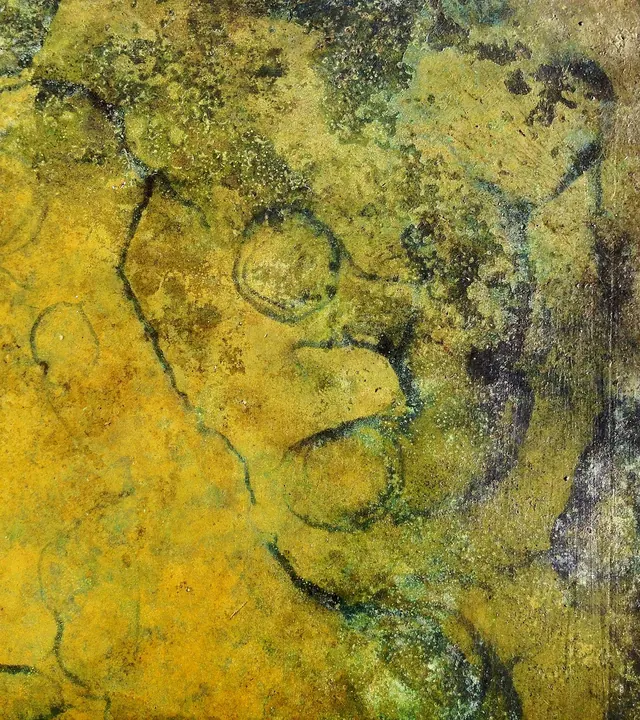
- Artificial patina — colour deliberately created on bronze or copper.
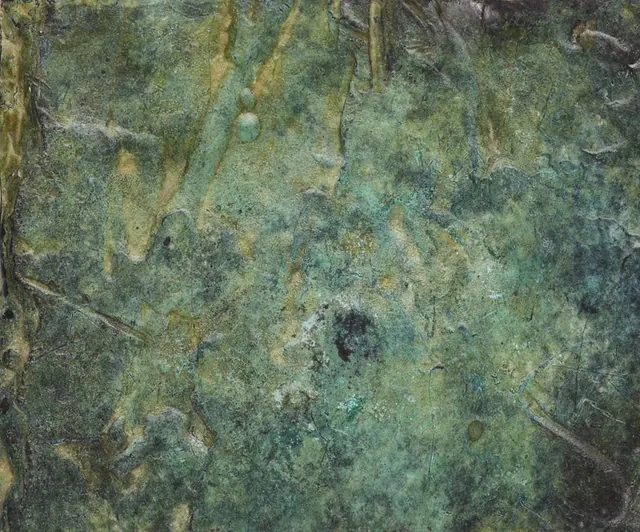
- Natural patina formed over time through exposure.
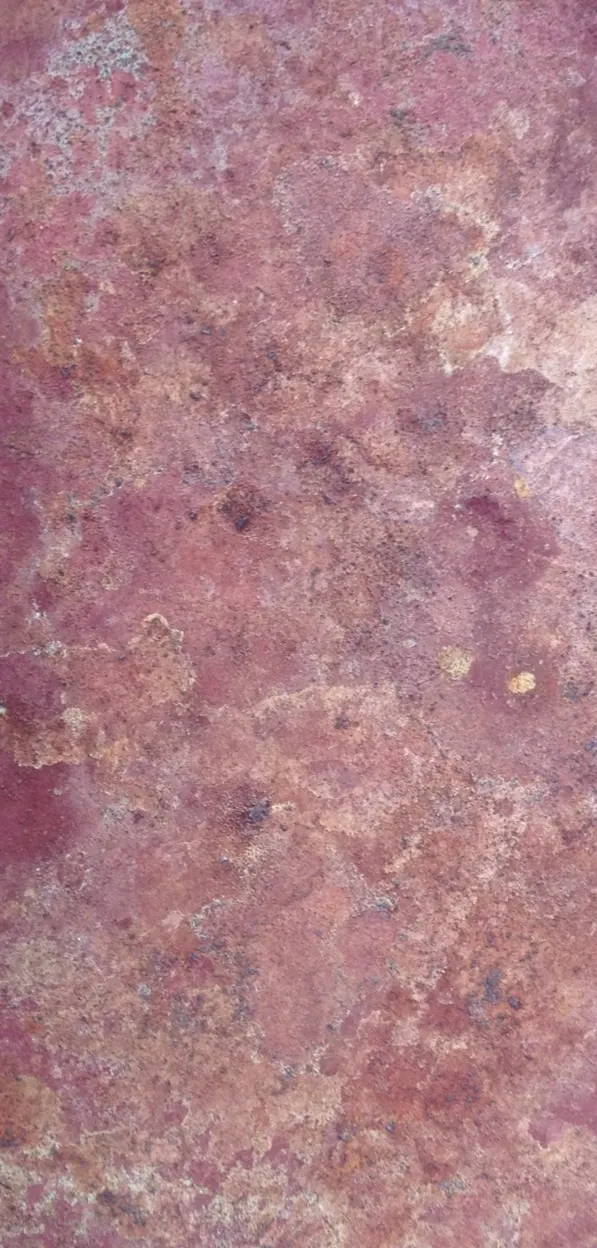
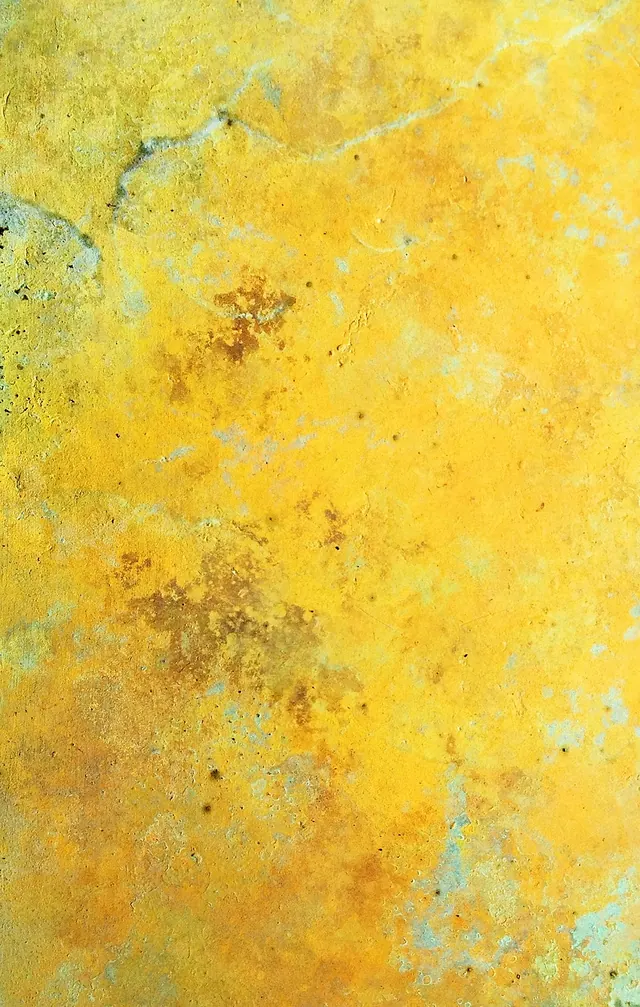
- Paint or polychromy, sometimes imitating another material.
- Gilding or tinning — rare, fragile, easily lost.
- Plating, one metal applied over another.
- Wax or lacquer — protective or aesthetic.
- Deposits and contaminants — dirt, pollutants, salts, fouling.
- Previous intervention — repair, overpaint, stripping, polishing.
Surface-reading rule set
- Record colour and texture before assuming what they mean.
- Establish whether the surface may be intended, historic, protective or deteriorating.
- Record surviving evidence in sheltered details and at worn edges.
- Photograph surfaces before any trial, maintenance or intervention is proposed.
- Do not infer a restoration target without evidence.
- Treat appearance-changing proposals as conservation decisions, not routine cleaning.
- Consider maintenance and reversibility implications of any coating or recreated finish.
Patina by material
Bronze and copper alloys. Historic England records that cast bronze statuary commonly left the foundry artificially patinated, often brown, and protected by wax. A coherent uniform green natural patina on exposed bronze may be semi-protective, while bright green powdery pitting in damp or sheltered situations warrants specialist attention.
Lead. Coherent grey natural patina is expected. Purple-brown lead-dioxide deposits are described by Historic England as disfiguring but not in themselves harmful.
Zinc and electrotypes. Zinc statuary may have bronze- or stone-like paint or a copper-plated lacquered finish; electrotype copper may be artificially patinated like bronze. Appearance-based action on a misidentified material can cause material harm.
Aluminium. Aluminium sculpture may be bare, painted or anodised. Maintenance depends on finish; no general treatment approach beyond caution applies.
Paint, gilding, plating and coatings
Paint may be decorative, protective, interpretive or all three. Very small gilding traces are important evidence — do not approve abrasive cleaning where decorative metal surfaces may survive. Damaged plating can expose a more vulnerable substrate and create localised corrosion risk. A protective coating creates future maintenance responsibilities and should not be applied without trial, approval, environmental assessment and an inspection cycle.
Reviewing an appearance-changing proposal
- What is the present material and surface?
- What is significant about it?
- Why is change required (condition or risk, not aesthetic preference alone)?
- What will be retained or lost?
- What alternatives were considered, including monitoring?
- How will appearance be approved (test panels / trial areas / samples)?
- What is the maintenance burden?
- What record will survive?
Need project-specific advice?
Arts Heritage is a conservation practice. For advice on a particular asset or proposal, contact Arts Heritage ↗.