
Arts Heritage Academy CPD Course
Historic Metal Window Casements: Conservation and Repair
Ferrous, bronze and non-ferrous frames, glazing interfaces, operation and specification.
About this course
A specialist Arts Heritage Academy CPD course on the assessment, conservation and specification of historic metal window casements — ferrous, bronze and other non-ferrous examples. The course covers material and maker identification, mixed-metal assemblies, corrosion, glazing interfaces, paint and putty build-up, operating mechanisms, repair or replication decisions, digital recording, maintenance planning and responsible commissioning.
Who this course is for
- Conservation professionals
- Architects
- Surveyors
- Conservation officers
- Heritage managers
- Estate teams
- Owners and custodians of historic buildings
- Contractors working under conservation specification
- Junior conservators
- Students of architectural conservation
What you will learn
- Identify common historic metal window casement types and associated components.
- Distinguish ferrous, bronze and other non-ferrous material behaviours.
- Recognise mixed-material assemblies including steel, bronze, brass, cast iron, wrought iron, lead, glass, putty and timber or stone rebates.
- Understand why maker identification may affect significance, repair decisions and documentation, with examples including Wainwright and Waring, Hope's and Crittall.
- Recognise common defects affecting frames, opening lights, hinges, stays, catches, fixings, glazing, putty, sealants and surrounding masonry.
- Understand why complex or seized operating mechanisms should not be forced, and why removed casements require tagging, location control and itemised records.
- Distinguish observation, interpretation, risk and recommendation in a window survey.
- Recognise when specialist conservation, glazing, structural, coatings, foundry or hazardous-materials advice is required.
- Distinguish repair, replacement and component replication, and write clearer conservation-led recommendations and specifications.
Your progress
0% complete · 0/6 modules · Estimated study time about 6½ hours · certificate CPD figure 3–4 hours (under review) · Certificate locked
Start here
AvailableIntroduction
How this course works, sequence, knowledge checks, final assessment and certificate.
~5 minModule 1
AvailableUnderstanding Historic Metal Window Casements
Historic metal casements as significant building components and part of a larger building system.
~54 min0/5 sections readResources
AvailableCourse resources
Inspection checklist, defect schedule, photography and tagging guidance, material identification, glazing checks, decision matrix, specialist brief, replication record, maintenance plan and glossary.
CPD cycle
How this course fits a CPD cycle
Identify
Why historic metal casements are frequently replaced when conservation repair would have been viable.
Plan
Recognise frame materials, glazing interfaces, operational issues and repair options before replacement is considered.
Act
Complete the modules, knowledge checks, field tools and final assessment.
Reflect
Consider how the learning changes the questions asked of contractors, the records made before intervention and the way replacement is justified.
Implement
Apply conservation-led survey notes, repair-vs-replace decision records and specialist briefings where significant casements are involved.
Professional need addressed: Historic metal window casements are routinely replaced rather than repaired because their materials, glazing interfaces and operation are poorly understood. This course addresses informed conservation and repair decision-making.
Owner's published field record · not independently validated
Observed in Arts Heritage practice
- What the photographs show
- Metal windows photographed for Arts Heritage's metal-window page. The source does not say which building or window each shows.
- Not evidence for
- Maker, section profile, date or condition of any specific building, including the privately reviewed Liberty project.
- Status
- Photographs and captions originally published by Arts Heritage at artsheritage.co.uk ↗. Mechanisms and treatments described in the guidance above are drawn from the cited literature, not proved by these images.
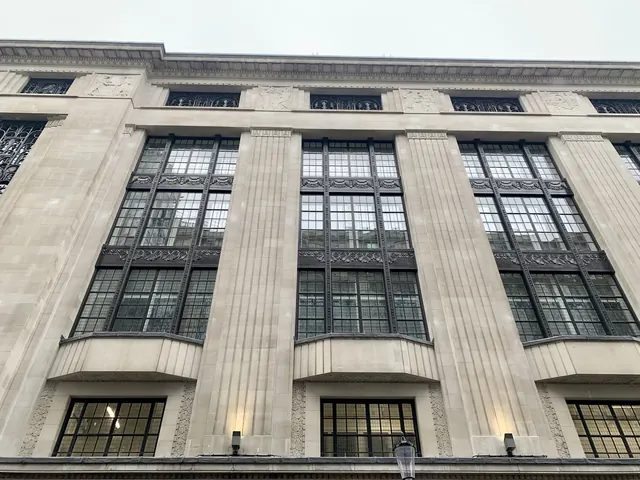
Metal window photograph from Arts Heritage's metal window restoration page; building and project not captioned at source.Subject not captioned at source · Source page ↗ 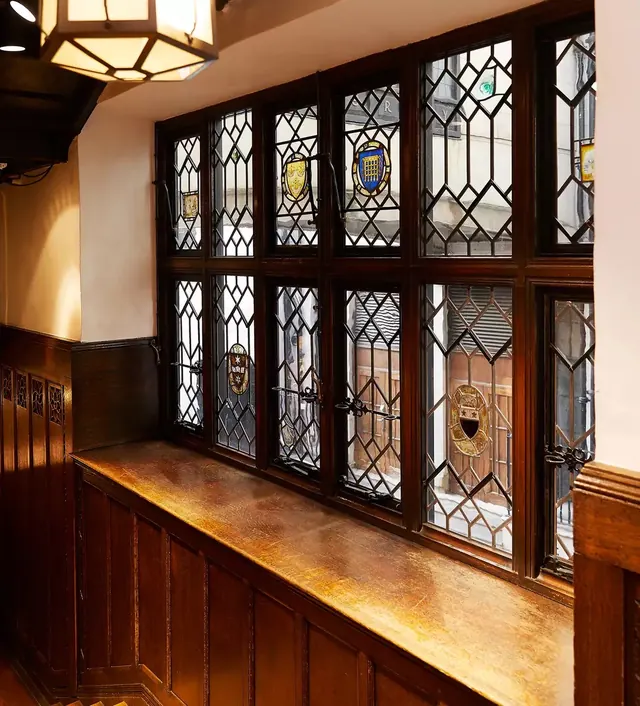
Metal window photograph from Arts Heritage's metal window restoration page; building and project not captioned at source.Subject not captioned at source · Source page ↗ 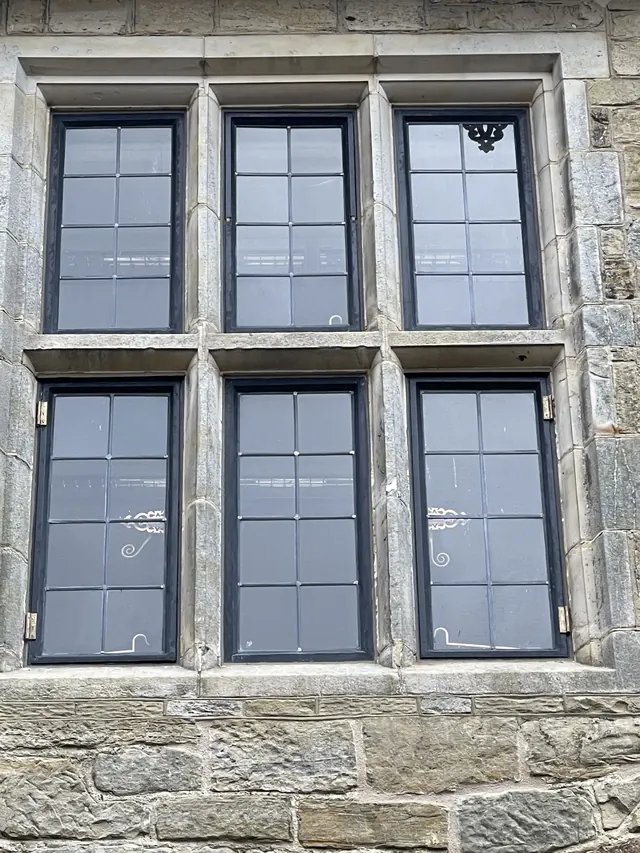
Metal window photograph from Arts Heritage's metal window restoration page; building and project not captioned at source.Subject not captioned at source · Source page ↗